













Features
Novice hikers stretch rescuers
Mountain rescue teams across England and Wales say they are working flat out to deal with a growing number of calls from novice walkers.

A new level of intelligence, developed with leading analysts and industry experts
Visit Now

Take out a print and online or online only subscription to get immediate access to:
Alternatively REGISTER for an additional 2 free accesses and sign up for email alerts
The transformation in the global telecoms industry over the past decade has been unprecedented. The development of the smartphone has changed how people communicate and consume information. Mobile phones today are more used for non-voice applications than for making simple calls.
For the Middle East’s telecoms operators, this has required huge investment in new infrastructure. Network capacity has been expanded and next-generation technology is being rolled out.
Meanwhile, the needs of the corporate world have changed, with many choosing to outsource their data management as business increasingly becomes digital. Telecoms firms are responding by investing in data centres and offering hosting, data back-up and restoration, web content delivery, and other services.
The changes in the market mean revenue streams have shifted away from voice towards data services, but overall, the market continues to expand, buoyed by high levels of disposable income in the GCC. As penetration rates near saturation for mobile phones, however, the onus will shift to service quality in the competition to protect market share.
Faster download speeds, improved connectivity and strong customer service will be the key demands of operators. Those that show a willingness to invest and innovate will be the most successful.
Mountain rescue teams across England and Wales say they are working flat out to deal with a growing number of calls from novice walkers.
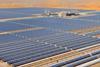
Governments across the Middle East and North Africa (Mena) region are beginning to boost the amount of time and money they put into researching and implementing renewable energy projects to assist efforts to meet growing demand for electricity.
It has been another quiet 12 months for the private power and water developer market in Gulf Cooperation Council countries, with just two offtake agreements signed for the Al-Zour North scheme in Kuwait and the Rabigh 2 project in Saudi Arabia.

Projects spending in MEED’s Top 100 Construction Index grew during 2013 and with economies around the region improving, this is expected to continue. This webinar examined projects market trends in the Middle East and forecasts which areas will grow in 2014.