













California is bracing for another dangerously warm weekend, with dry winds, parched vegetation, and triple-digit temperatures threatening to ignite new fires and complicating containment efforts in an embattled state.
We’ve never needed this many firefighters
What’s causing this dramatic turn for the worse? It’s driven by many factors including extreme weather, past land-use decisions and a century of forest and wildfire mismanagement, leaving many communities and natural lands a spark away from catastrophe.
Some of the factors that shape the frequency and severity of wildfire in California, like drought, record high temperatures and strong winds are beyond our control and in many cases, exacerbated by a changing climate. Other factors, such as how we manage our fire-adapted conifer forests, where we build homes and how we prepare and protect our communities are within our control.
It is important to note that the causes and consequences of this extreme fire pattern vary across ecosystems in California. There is no one-size-fits-all approach. Solutions in the forested Sierra Nevada and other fire-prone forests look very different from those in the shrub-dominated California coast and foothills. With this in mind, we must move quickly and strategically to act where we can, and we must tailor our strategies to the different environments and the challenges they face.
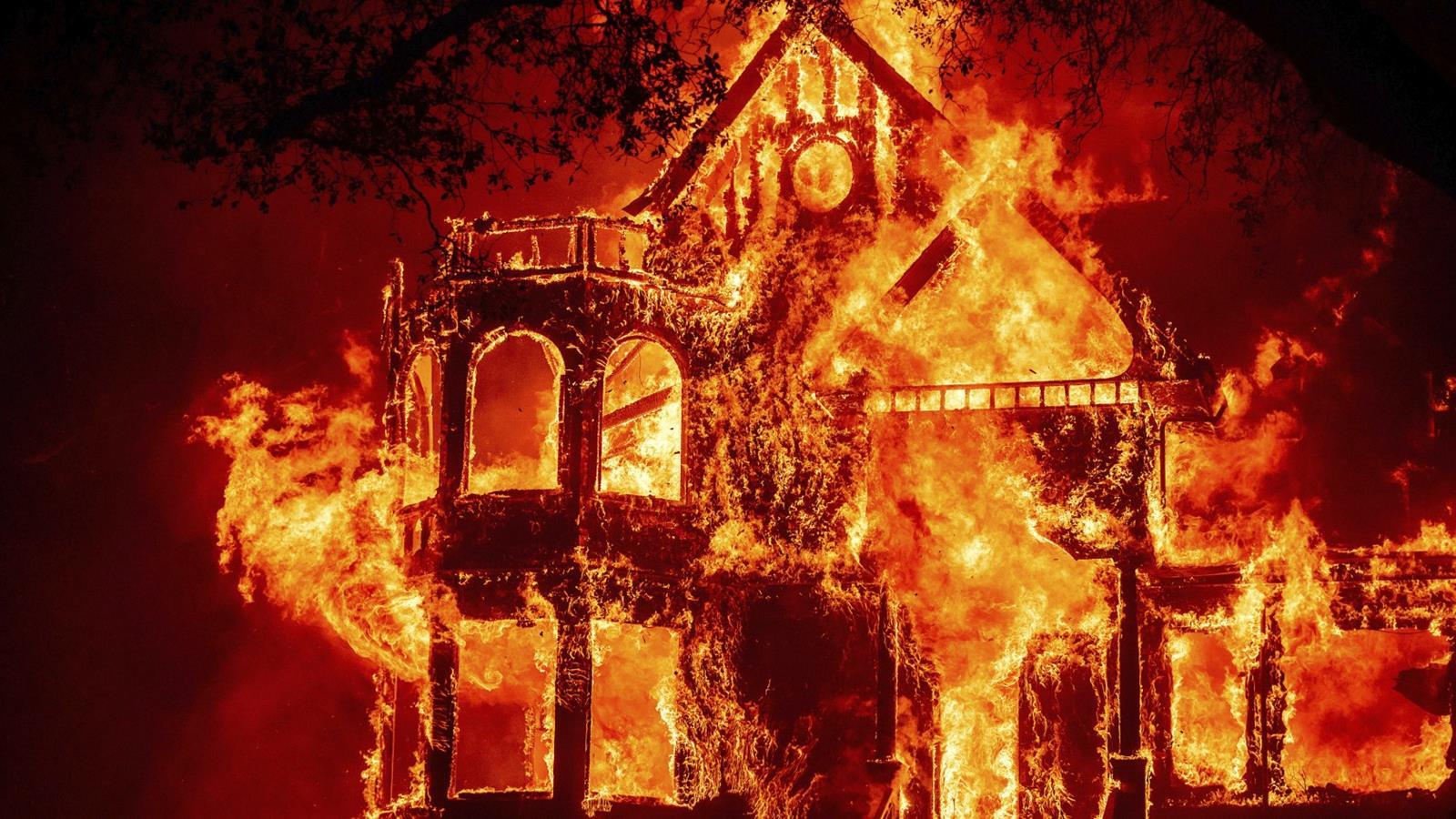
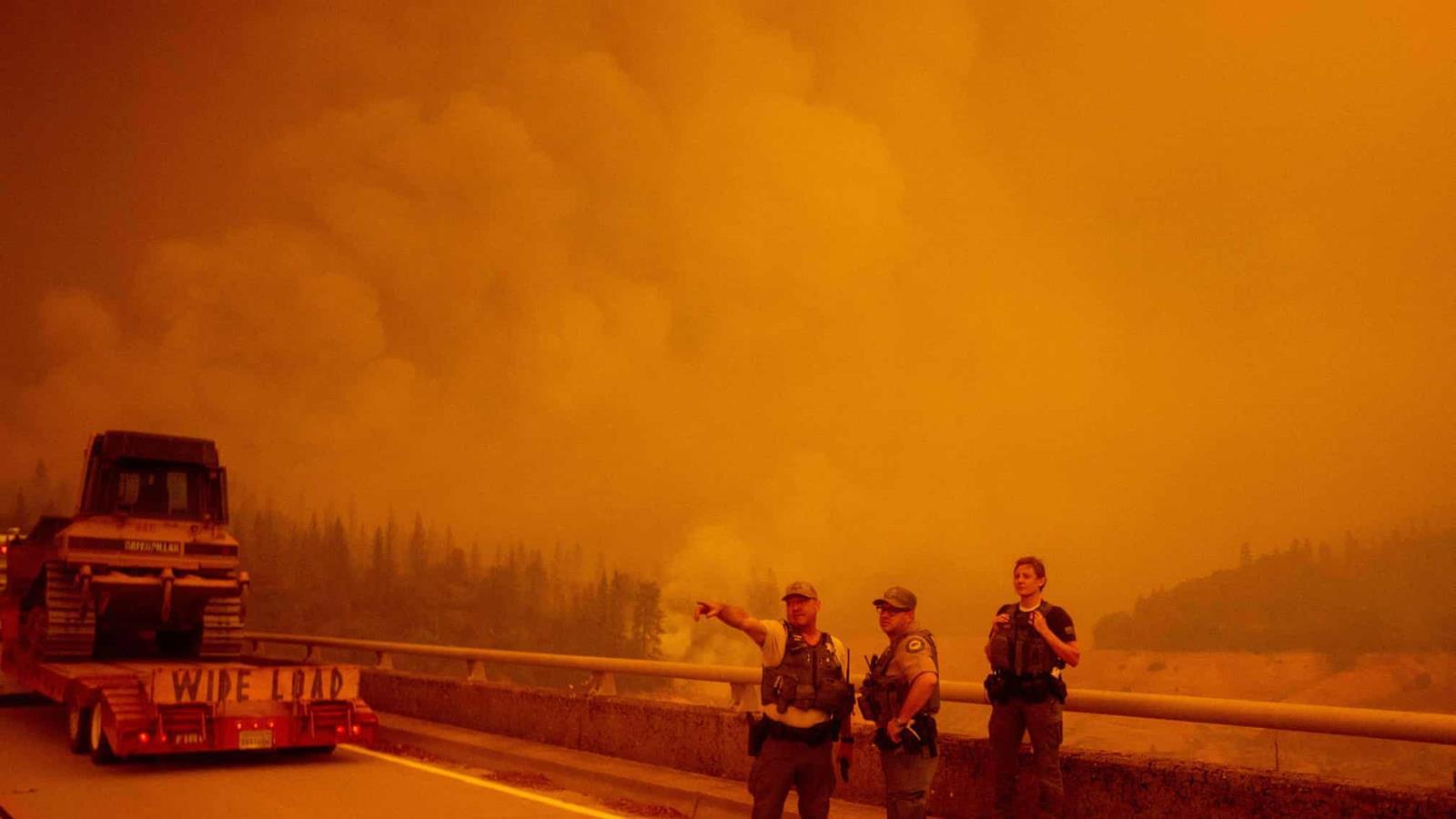
The California governor, Gavin Newsom, declared a state of emergency in five counties on Sunday due to wildfires. Three major fires, including the Creek fire, burned in Fresno, San Bernardino and San Diego counties.
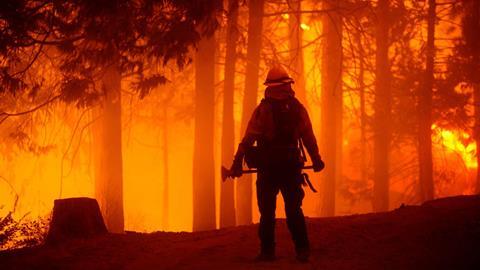
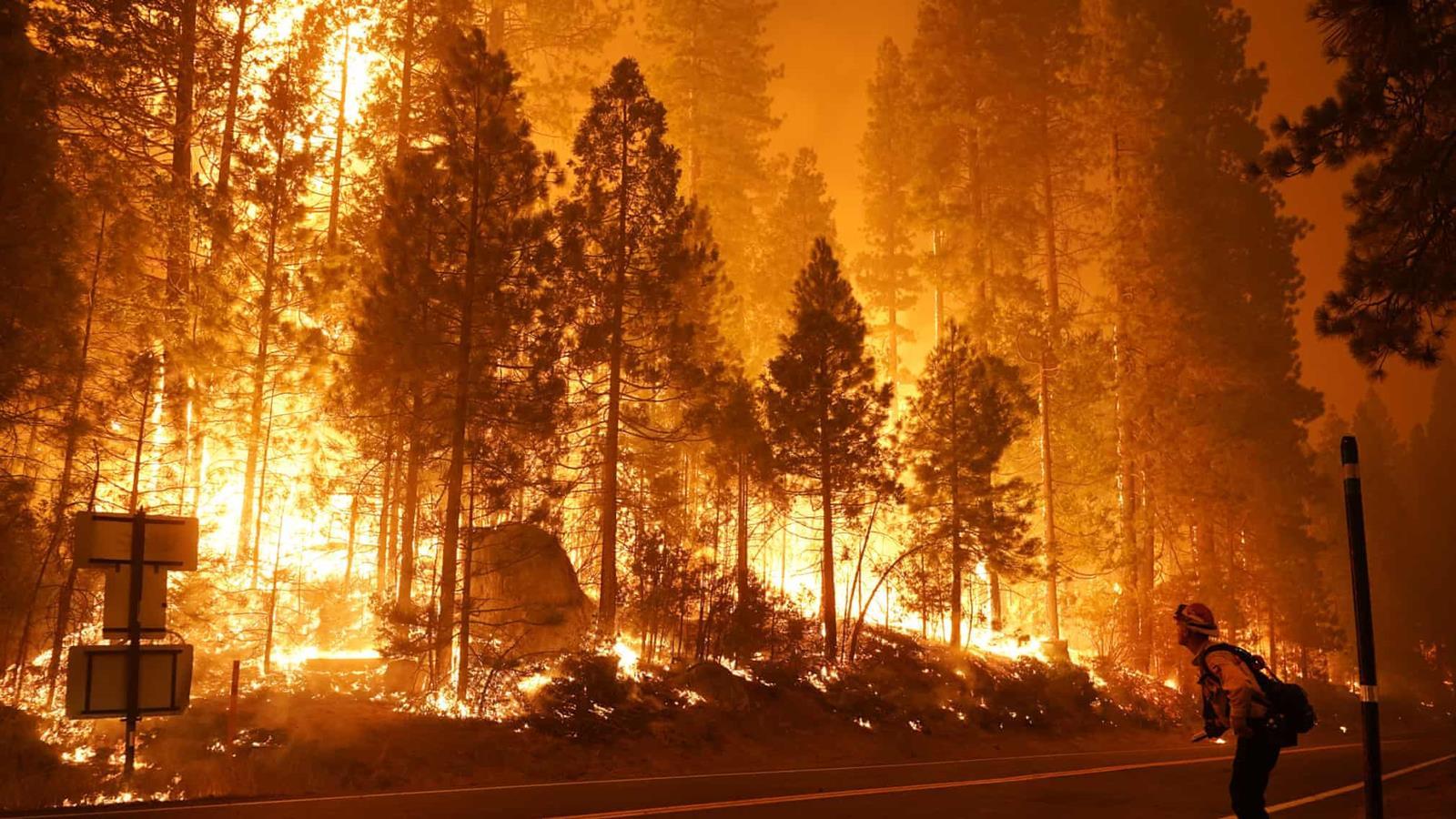
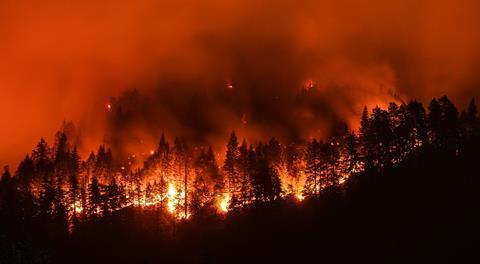
Embers fly above a firefighter working to control the Delta Fire, in California's Shasta-Trinity National Forest. Under extreme conditions a fire can give off 10,000 kilowatts or more per meter of fire front.
San Miguel county firefighters battle a brush fire along Japatul Road during the Valley fire in Jamul. Climate has fueled record-breaking California wildfires, heat and smog
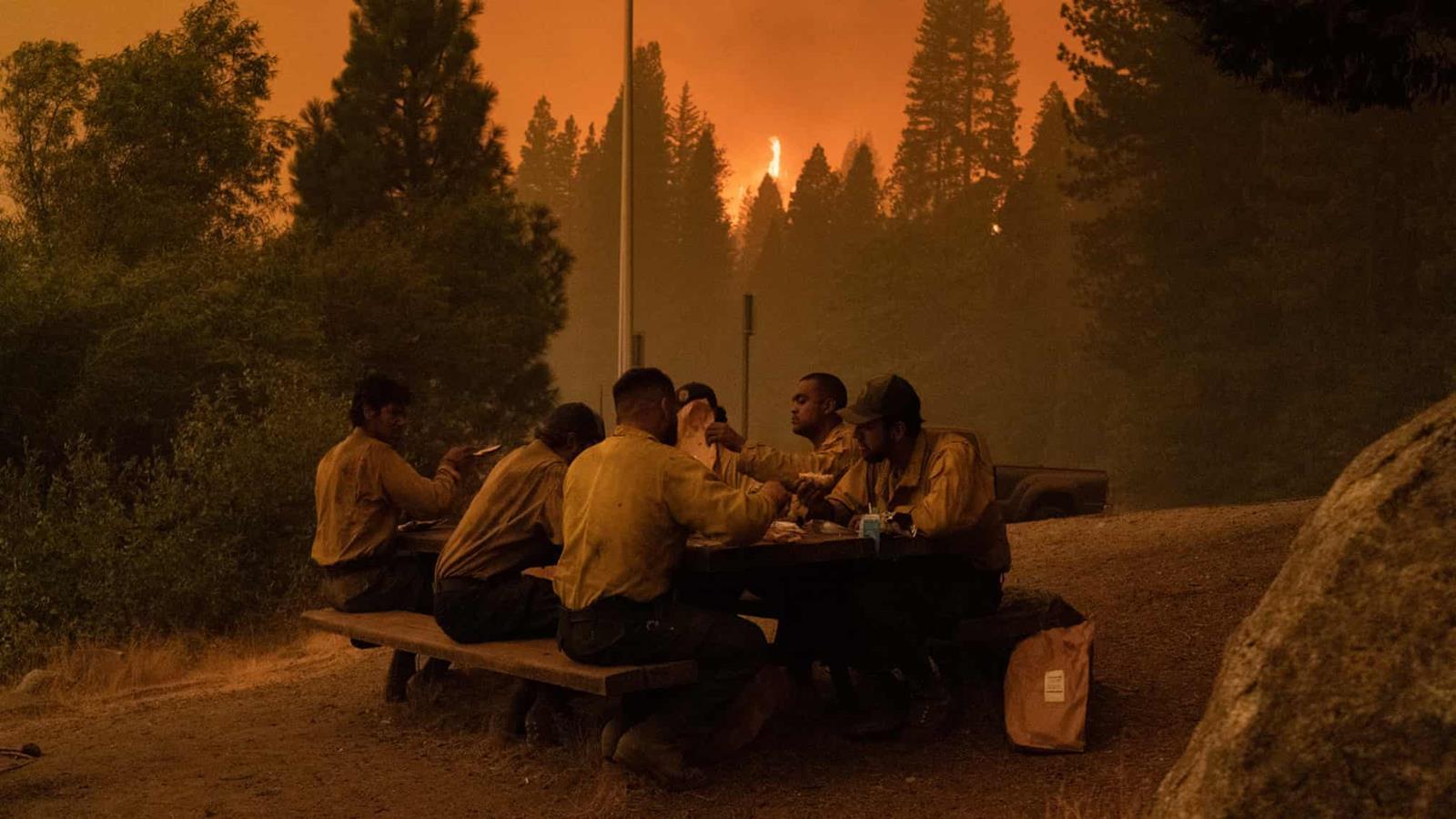
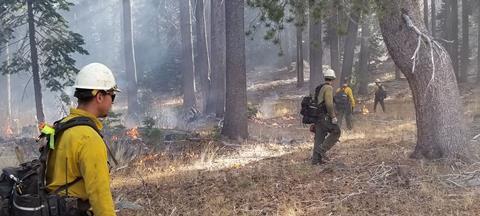
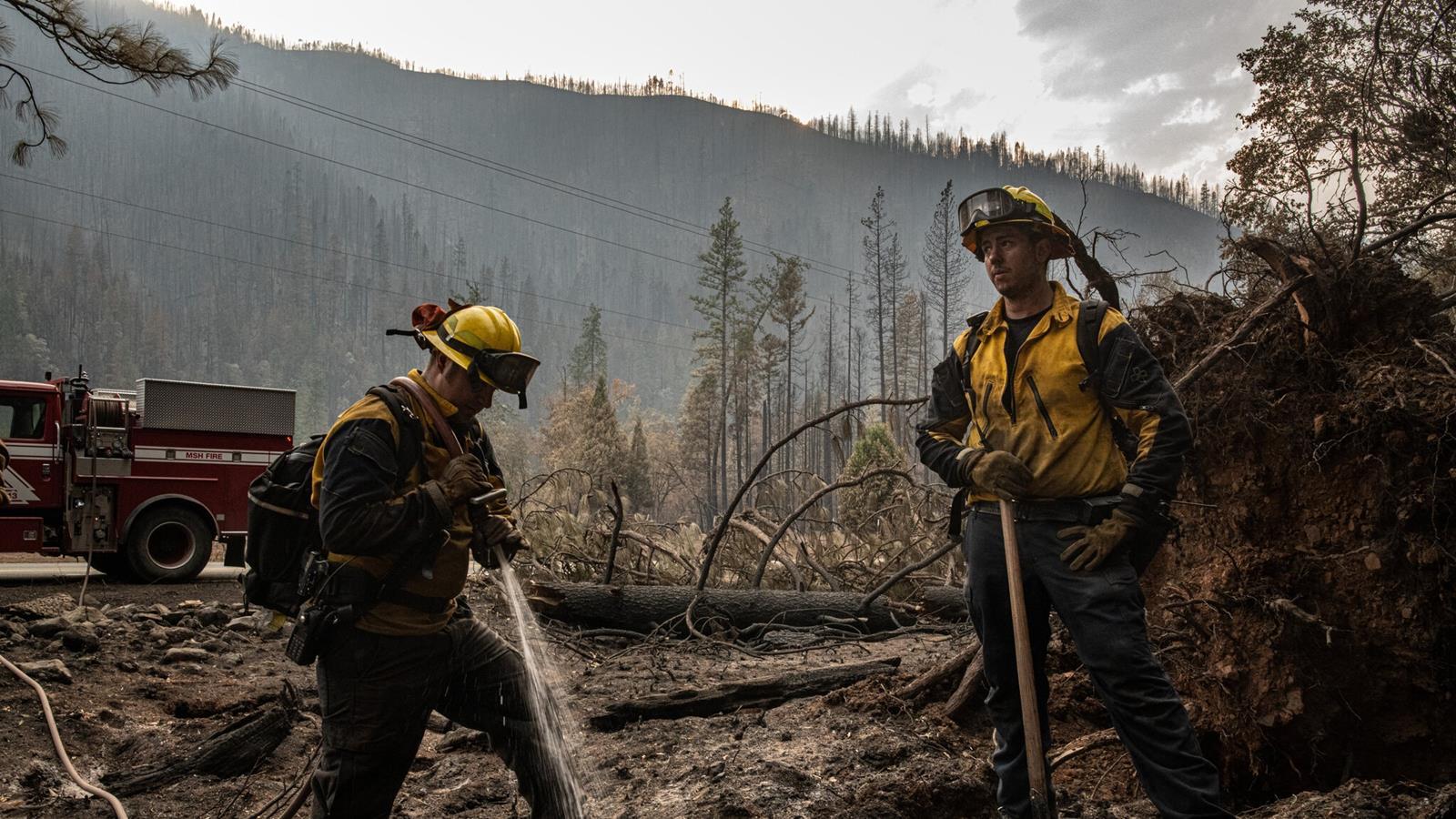
Firefighters take a break. Nearly 15,000 firefighters battled some two dozen fires across the state on Sunday. Over 7,400 firefighters remain on the frontlines today of 22 wildfires across the state.
When it comes to wildfires, “what we’ve had in California over the last three to four weeks is unprecedented in our historical experience,” Diffenbaugh said.
Research by Diffenbaugh and colleagues that was published last month found that the number of days with extreme wildfire weather in California has more than doubled since the early 1980s, primarily due to warming temperatures drying out vegetation.
“It means that even with no change in the frequency of strong wind events, even with no change in the frequency of lightning, the risk of wildfire and risk of large, rapidly growing wildfires goes up as a result of the effect of that warming,” he said.
How we can start fixing it
While we can’t stop this problem overnight, there are two things we need to invest in immediately to better protect people and nature in the face of wildfire: forest restoration and fire resilient communities. Science shows that forest restoration - controlled burns and ecological thinning to remove small trees and brush that ignite fire - delivers a one-two punch, reducing the risk of mega-fires in fire-adapted conifer forests, while allowing the fire to be safely reintroduced with many ecological benefits.
It is also critical that we make all communities in fire-prone regions more resilient by taking measures to make homes less flammable, improving response and evacuation plans, giving homeowners in risky places the option to move and building new communities in the right places.
It creates a vicious cycle: When forest restoration is put on hold, the risk of mega-fires increases. When mega-fires happen, it reduces the funds available to better manage our forests.
David Edelson, Sierra Nevada Program Director with The Nature Conservancy
Each of the extremes Californians are living through right now is fueled, at least in part, by the gradual warming of the planet, which is accelerating as greenhouse gas emissions continue to rise. California summers are 2.5 degrees warmer than they were in the 1970s and are on track to heat up an additional 4.5 degrees by the end of the century if the world’s current emissions trajectory continues, said Hausfather.
Investing in resilient communities
In the face of mega-fires, we have a responsibility to invest in and create fire resilient communities. To do this, we must thoughtfully consider where we build new homes for California’s ever-growing population, as well as how we adapt our existing communities to deal with the escalating threat of fires.
This is particularly true in the coastal and foothill regions of central and southern California, where many people live within and next to highly flammable shrublands. In these areas, vegetation management and controlled burns may make matters worse. Our best defence in these areas is a robust investment in community protection measures focused on preventing human-caused ignitions and creating fire resilient communities.
We also need to rethink the land-use policies that put people in harm’s way. We need new policies that provide incentives to build in safe and sustainable locations. We also must ask hard questions in the face of these fires - such as how do we respond to increasing risks from climate change factors including fire, floods and rising sea levels? We need new solutions to incentivize building in locations that enhance public safety and make our communities more resilient.
In places like the Sierra Nevada, resilient communities require smart development planning AND healthy forest management. In more shrub-dominated landscapes, smart decisions about where and how we build our communities and identifying measures to reduce ignitions can greatly reduce risk to people, making their homes more secure.
What we’re doing and how you can help
TNC is hard at work to break the cycle of disastrous mega-fires in the Sierra Nevada through on-the-ground science, education and advocacy. Informed by science, TNC is advocating for increased funding and policies.

Promote forest restoration and fuels reduction in fire-adapted forests like the Sierra Nevada, through controlled burning and ecological thinning
Take a landscape-scale approach to forest restoration by planning and managing for restoration across multiple watersheds and prioritize restoration in the places and at the scale where it will have the greatest impact
Invest in policies and programs that promote fire resilient communities by directing growth away from high fire risk zones and creating options - including both fire-hardening and relocation - for people already in harm’s way
Forest restoration
On the forest restoration front, California is off to a good start, but there is still a great deal of work to be done to protect our forests and communities. To further advance forest restoration, and fight climate change, we urge legislators to support.
Assembly Bill 1863 (Assembly Member Ting) would address climate change and wildfire risk in California by prioritizing landscape-scale actions to increase fire preparedness, public safety, community protection and enhance forest health. The bill would provide $500 million for immediate wildfire response and climate resiliency and fire risk reduction projects to protect communities from mega-fires.
Dedicated funding for forest management - In 2018, the State committed $200 million per year for 5 years for forest thinning and forest health projects from the Greenhouse Gas Reduction Fund. We must renew our commitment to this important funding to curb mega-fires.
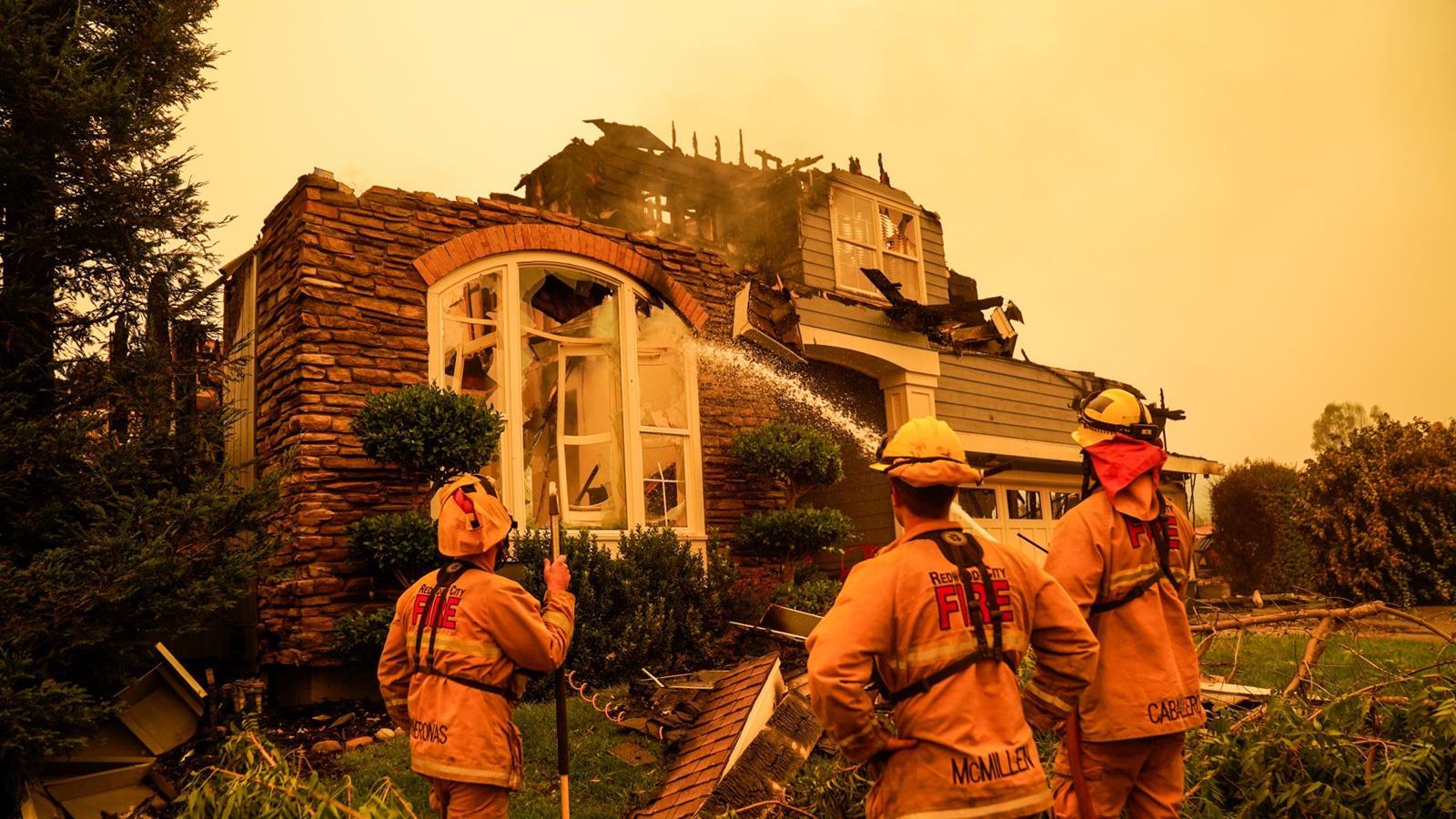
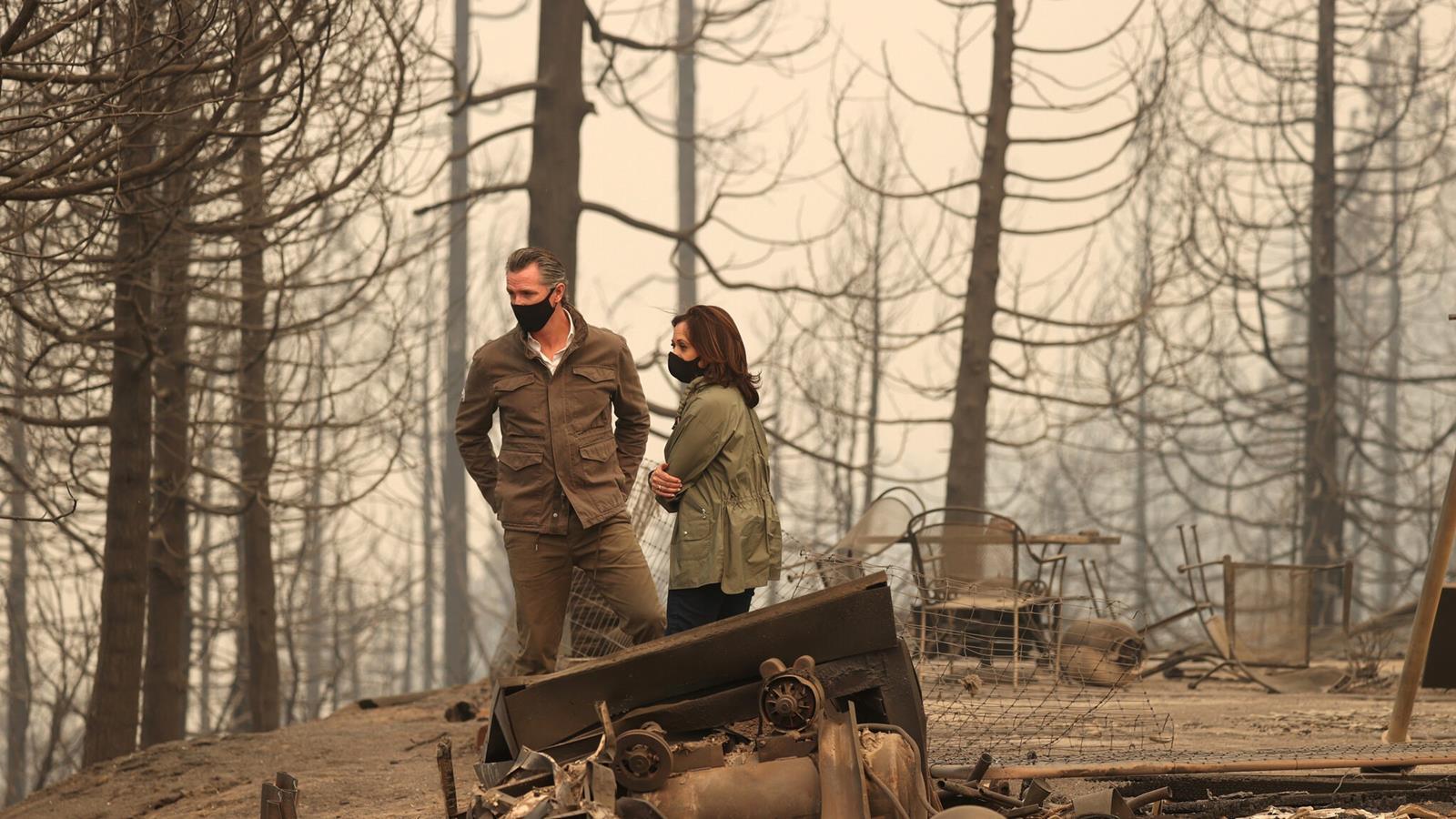
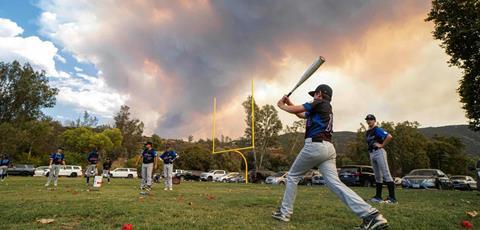
More than 85 significant wildfires are burning across the west, where a record 2.5m acres have been destroyed in the latest batch of blazes. At least seven people have died and the dense plumes of smoke have turned skies red and amber.
The California governor, Gavin Newsom, declared a state of emergency in five counties on Sunday due to wildfires. It was prompted by the Creek fire that started on Friday night, forcing evacuations and road closures in the Fresno area.
Security officials survey a neighborhood left devastated by the Almeda fire. Local residents look at remains left in its wake near the town of Medford, Oregon.
The Climate Bond - With only 3.1% of Governor Newsom’s proposed 2020-21 budget dedicated to natural resources (a decrease from the 2019-20 budget of over $1 million dollars), the Climate Bond (Senate Bill 45 and Assembly Bill 3256) is a critical tool to help fill the funding void. If passed by the California legislature, the “Wildfire Prevention, Safe Drinking Water, Drought Preparation, and Flood Protection Bond Act” would be placed on the November 2020 ballot, giving voters the ability to support investments that would curb mega-fires and reduce the impacts of floods, droughts, excessive heat and sea-level rise in California, including funding for home hardening and defensible space protection.
Federal forest restoration
While the state legislature is taking important steps to curb mega-fires, we also need a comparable investment in California’s forests from the federal government. It is now more important than ever that we consider our country’s readiness to fight wildfires amidst the challenges of COVID-19.
It is critical that Congress ensure sufficient resources are available as the wildfire season begins, especially in the West. Federal, state and local wildland firefighting departments across the country will need support to ensure firefighters are able to mobilize and coordinate in a safe manner.
Investments in our forests through restoration, construction and maintenance will not only reduce fire risks but also increase the ability of our forests to provide valuable public benefits–including resilient water supply, carbon storage, wildlife habitat and recreational opportunities–while supporting quality local jobs, keeping communities healthy and safe and reducing the risk of damage to public infrastructure.
What areas have been worst hit
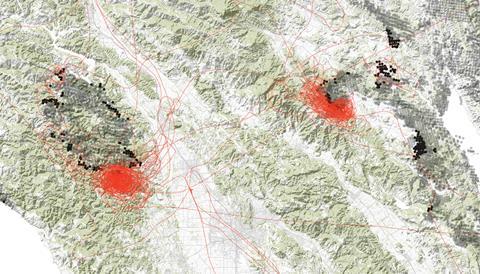
This map shows the affected areas across the state, with the most severe fires highlighted in orange.
Paradise is one of the towns that has been hit hardest by the fires, although they appear to have started north of LA in Thousand Oaks. There are technically three active wildfires in California; Hill Fire, Woolsey Fire, and Camp Fire. Each is making its way around the state due to high winds and temperatures, and although some parts are contained, they may still burn for weeks.
The Camp Fire is the furthest north, with the Hill Fire just above LA on the left and the Woolsey Fire on the right. The town of Paradise is in a red flag fire warning zone, as is Thousand Oaks and towns just above Los Angeles. Malibu and other beach communities have been evacuated too, and residents that haven’t left yet have been urged to do so.
Fire resilient communities
To advance fire resilient communities, we urge state legislators to support:
Assembly Bill 3074 (Assembly Member Friedman) would protect Californians living in high fire hazard areas by modernizing defensible space protections through the creation of a third defensible space zone called an ember-resistant zone. This zone occurs within the first five feet of a structure and fuel sources in these areas increase the probability of structure fires.
Assembly Bill 3164 (Assembly Member Friedman) would develop a wildland-urban interface wildfire risk model to empower local communities to better understand and reduce their wildfire risk.
But these actions are just the start. We must break down the barriers to developing and implementing critical forest restoration and fuels reduction projects while maintaining environmental safeguards. Finally, we need policies and programs to make communities safer by directing growth away from high hazard zones and investing in measures that will reduce risks for existing communities.
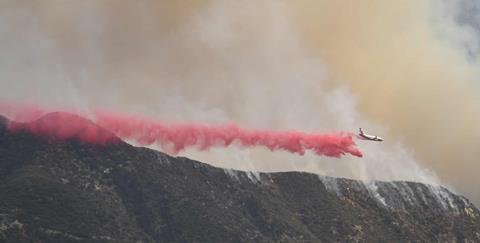
Tankers don’t usually drop retardant directly on the fire itself. Instead, they let it go in front of a fire, directing its course or slowing its advance, and giving ground crews a chance to control or extinguish it. Retardant can also be released to protect homes or important sites and to keep access roads open.