
















Podcast
TCDD or dioxin
2017-02-11T15:15:00Z Sponsored by Roche Diagnostics
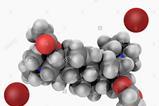
Matt Gunther looks into TCDD, or dioxin, and the tragic Seveso accident
A new level of intelligence, developed with leading analysts and industry experts
Visit Now
Take out a print and online or online only subscription to get immediate access to:
Alternatively REGISTER for an additional 2 free accesses and sign up for email alerts
Source: Chemistry World
2016-08-15T18:02:00+01:00
Chemistry World visited the National Chemical Emergency Centre (NCEC) in Oxfordshire, UK to find out about the work they do, what it’s like to work there, the application process for getting a job there, and the training they give their employees.
With funding from the Department for Transport and Chemical Industries Association, we perform a core role within Chemsafe, providing UK emergency services with access to 24/7 helpline support, staffed by qualified chemists. NCEC’s team of experts provide specific hazard information and tailored advice on how to respond to incidents drawing on many data sources, including Chemdata® – NCEC’s chemical hazard database.
Chemdata® provides accurate and reliable information on over 61,000 substances and more than 176,000 different chemical names, including pure and trade-name chemicals. Trusted by Hazmat responders and emergency services around the world, Chemdata provides accurate, timely and proportionate advice in the event of any chemical incident.
2017-02-11T15:15:00Z Sponsored by Roche Diagnostics
Matt Gunther looks into TCDD, or dioxin, and the tragic Seveso accident
2018-11-06T13:11:00Z
The National Academies of Sciences, Engineering, and Medicine is calling on the US government to launch a concerted effort to develop new and improved negative emissions technologies to remove and sequester CO2 directly from the air. The panel concludes that these technologies, which involve chemical processes to capture carbon dioxide from the air, are economically viable and crucial to mitigate the threat of climate change.
‘We can now say that there is a high probability that we can produce a viable way to do direct air capture at something like $100 (£77) per tonne of CO2 or less,’ says Stephen Pacala, an ecology and evolutionary biology professor at Princeton University who chaired the committee that wrote the report. ‘We would then reach the capacities that the world would need to achieve the climate goals that are embedded in the Paris agreement and elsewhere,’ he tells Chemistry World. ‘It would also provide a way to continue to use fossil fuels, but without a climate impact – you could offset those carbon emissions.’
2018-04-04T12:07:00Z By Kathy Davies
For most people who read patents, Markush structures are fabulous things.
2018-03-16T14:17:00Z
Chemical treatment makes ‘densified’ wood 10 times tougher than its natural counterpart
2020-11-26T11:07:00Z
Hurricanes Laura and Delta dealt a double blow to Louisiana just six weeks apart.
2020-02-20T14:58:00Z Sponsored by Specialized Bikes
Real-World Testing We loved the last Stumpjumper, but we wanted to make it an even more capable descender—this meant adding stiffness to the frame. To do it, we developed our own mountain-specific stiffness test that examined the connection between a rider’s hands and feet. When each get different signals, you ...
2020-02-20T14:44:00Z Sponsored by Specialized Bikes
Welcome to the future. New for 2020 is the all new Turbo Levo SL range which introduced itself to the world with a bang earlier this week.
The Chemical Industries Association is the organisation representing and advising chemical and pharmaceutical companies located across the UK. Our core membership is a diverse mix of chemical and pharmaceutical companies operating within the UK
Site powered by Webvision Cloud
1 Reader's comment