

#FactsMatter | Claims about the health benefits of organic foods are often linked to their higher levels of vitamins and antioxidants. Is organic food really better for you?
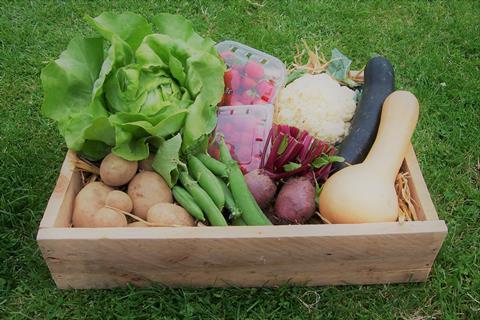
IT STARTED with a leaflet on my doormat. In big, bold letters, a vegetable box delivery scheme proclaimed: “Did you know? Switching to organic is the same as adding 2 portions to your 5-A-Day.” Later, at my local health food store, a panel above an organic vegetable display announced that scientific studies had shown this produce was measurably more nutritious than conventional varieties.
This assertion has been echoed by dozens of newspaper headlines, radio news pieces and, of course, campaign group websites. If you are an avid follower of the foodie media, it can seem like exciting new studies come along every few months to add to the organic evidence pile. So, amid the fanfare, let’s take a closer look at what the science says, so far.
“It is impossible to claim organic crops are nutritionally superior without cherry-picking studies”
If you know where to look in academic journals, it turns out there is indeed lots of good evidence to suggest that some organically grown crops can be higher in certain vitamins and minerals. The tricky thing is, there are also lots of studies that suggest the exact opposite is the case. The more you delve into the literature, the more confused and conflicted the answer to what seems like a simple question appears to be. There is very good reason for this.
Imagine you are a scientist trying to solve this conundrum. You might, for example, buy a range of fruit and vegetables, grown both organically and conventionally, then test these crops for nutrient content and compare the results. After all, this kind of like-for-like comparison most realistically reflects the choices available to consumers, right? But here is the problem: this isn’t a like-for-like comparison at all. The crop varieties grown by organic farmers are often not the same as those grown by conventional ones. As genetics tends to be the principal factor that determines the chemical make-up of a crop, the unique DNA of one variety can result in a very different nutrient profile to another, even if they are grown under the exact same conditions. One head of lettuce might look and taste nearly identical to another variety grown next to it, but their levels of nutrients like vitamin A can vary 20-fold.
“It is impossible to claim organic crops are nutritionally superior without cherry-picking studies”
The organic and conventional crops on your supermarket shelves will probably differ in other important ways, too. They are often grown in very different climates, even continents, with distinct soil chemistry, irrigation levels, ambient temperatures and sunlight exposure, all of which have been shown to dramatically affect the nutrient composition of crops. Studies have demonstrated that this can vary in the same plant – with two apples from the same tree having different levels of nutrients – and even on two sides of the same fruit.
All this is before we get on to how the storage, transport and display of crops can affect their nutrient levels. For instance, we know that simply being exposed to the fluorescent lights of supermarkets can result in a crop of spinach being up to twice as rich in folate and vitamin K as those stored in darkness. This is because even once harvested, the fresh fruit and vegetables are still alive and so constantly react to their environment, just like plants in a field do. This creates a hugely complex set of variables that it is almost impossible to control for.
Given this cat’s cradle of evidence, what we really need is a team of number crunchers to trawl through the hundreds of papers out there to see if they can find a meaningful pattern in the data. Fortunately, this mammoth challenge has been taken up not just once, but at least three times in published academic literature.
What did they find? Well, when it comes to vitamins and minerals, they all broadly reported the same thing: no meaningful difference in these essential nutrients across the board between organic and conventional produce. While one of these reviews did report that organically grown crops have, on average, 60 per cent higher levels of some antioxidants (a finding that was enthusiastically repeated in the press, by marketeers and even in the university’s press release), it also found they were lower in fibre, protein and potentially beneficial dietary nitrates. The latter discovery, perhaps surprisingly, didn’t attract the same level of coverage.
There are many reasons why you might wish to go organic. But given the complicated and often contradictory nature of the evidence so far, it is impossible to claim that organically grown fruit and vegetables are automatically a nutritionally superior choice without cherry-picking studies (or parts of studies) that support this narrative, while ignoring evidence to the contrary.
No comments yet